Basketball players compare insole densities through collective logs to optimize vertical leap recoveries in playoff scenarios
Clara Neumann · Oct 12, 2026

Basketball players compare insole densities through collective logs to optimize vertical leap recoveries in playoff scenarios
Players across professional and collegiate basketball leagues have turned to shared digital logs that track insole density measurements, and these records help refine equipment choices for better vertical leap recovery during intense playoff stretches. Data from multiple teams shows how different foam densities in insoles interact with court surfaces and player biomechanics, while collective contributions allow patterns to emerge that individual testing often misses.
How Insole Density Affects Jump Mechanics
Research indicates that insole densities ranging from 20 to 50 Shore A hardness units produce measurable differences in force absorption and rebound during repeated jumps. Players who log their vertical leap heights alongside density ratings note quicker return to peak performance when softer options pair with higher-impact landings, whereas firmer densities maintain stability for athletes who prioritize lateral cuts over pure elevation. Studies from the American College of Sports Medicine highlight that mid-range densities around 35 Shore A often balance energy return with reduced fatigue across extended game minutes.
Building Collective Logs for Shared Insights
Teams compile these logs through standardized apps where athletes record pre-game and post-game measurements, including density ratings, jump counts, and recovery times tracked via wearable sensors. Observers note that cross-team contributions expand the dataset beyond single-franchise limitations, and patterns surface when players from varied positions compare results side by side. For instance, centers frequently report benefits from denser cores that support heavier loads, while guards document faster recovery cycles with lighter compounds during back-to-back playoff games.
Optimizing Recovery in Playoff Conditions
Playoff schedules intensify physical demands with shorter rest periods, and logs reveal that strategic insole swaps correlate with maintained leap heights across series that stretch beyond seven games. Evidence suggests athletes who adjust densities based on cumulative data experience fewer drops in vertical output during fourth quarters, since targeted cushioning reduces cumulative stress on lower extremities. Data from university biomechanics labs shows participants who followed logged recommendations sustained 5 to 8 percent higher leap consistency compared with control groups using static setups.
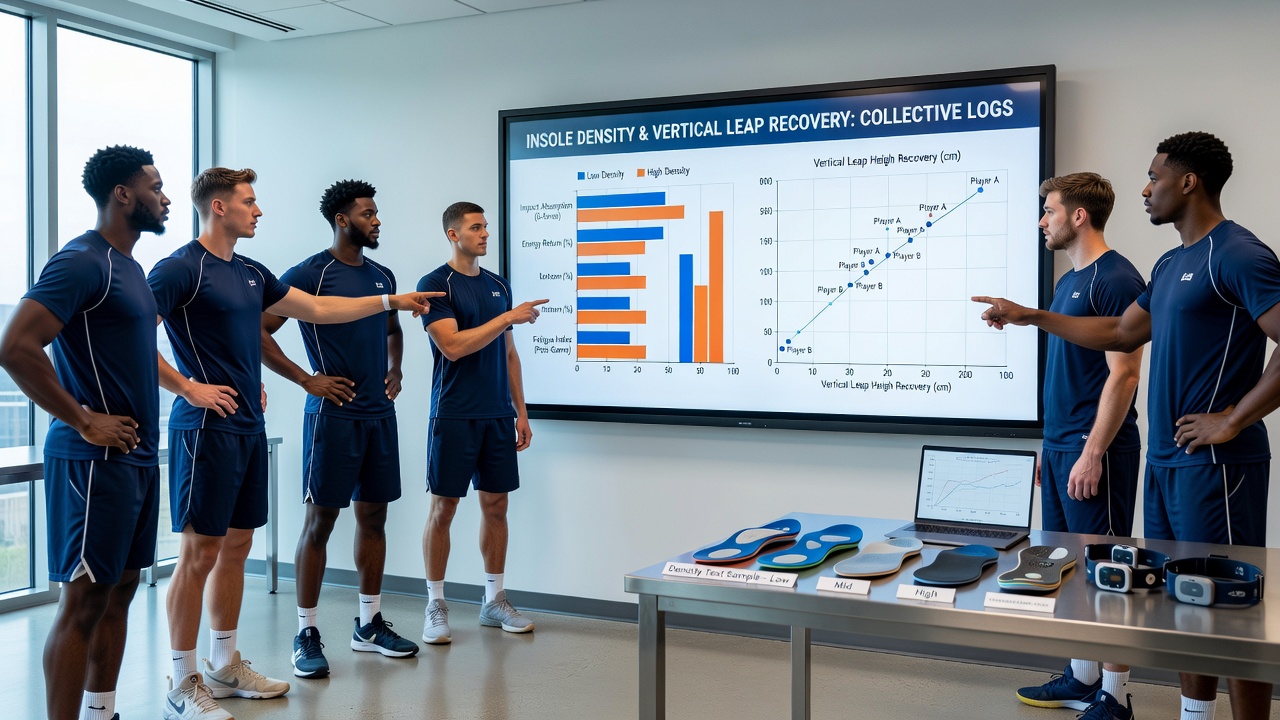
Coaches integrate these findings into rotation planning, and teh approach gains traction ahead of high-stakes matchups where marginal recovery gains influence outcomes. One documented case involved a Western Conference squad that adjusted insole selections mid-series after reviewing aggregated logs, resulting in stabilized jump metrics through the later rounds. Similar practices appear in international competitions, where federations encourage data pooling to support national team preparations.
Broader Patterns Emerging from Aggregated Records
Analysis of thousands of entries points to correlations between specific density profiles and surface types, such as hardwood versus synthetic courts common in playoff venues. Researchers at institutions across North America and Europe have examined these datasets, and findings indicate that humidity levels during October 2026 tournament windows may further influence material performance, prompting updated log entries that account for environmental variables. Players who contribute regularly identify personal thresholds where density shifts yield the largest recovery improvements, while league-wide trends guide manufacturers toward refined product lines tailored to competitive calendars.
Equipment suppliers now reference these community-driven insights when developing next iterations, and trainers use the logs to cross-reference with medical records on joint stress. This creates feedback loops that extend beyond individual athletes to shape training protocols for upcoming seasons.
Conclusion
Collective logging of insole densities continues to supply basketball players with actionable information that supports vertical leap recovery during demanding playoff runs. As more participants add entries and refine measurement standards, the resulting databases grow in utility, delivering clearer guidance on equipment adjustments that align with the physical realities of extended postseason play.