Community Archives Document Fencing Mask Ventilation Adjustments and Their Influence on Saber Reaction Times
Alex Wagner · Sep 14, 2026
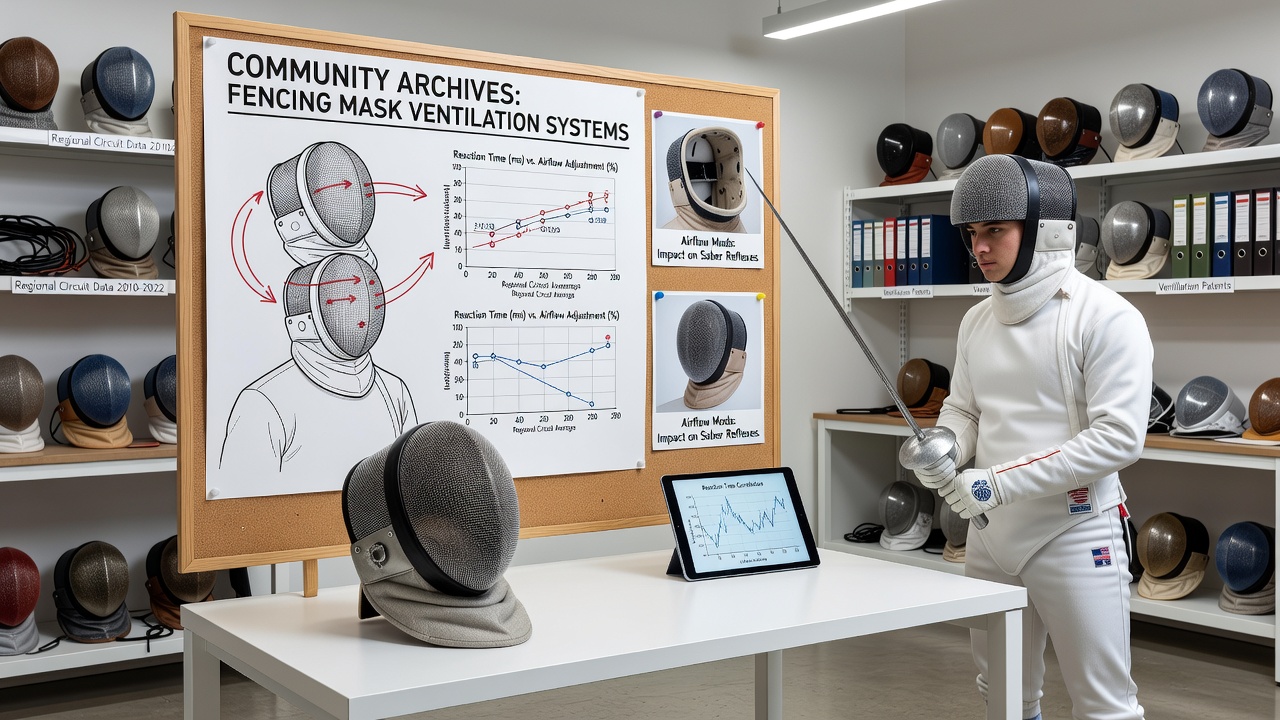
Community Archives Document Fencing Mask Ventilation Adjustments and Their Influence on Saber Reaction Times
Regional fencing circuits maintain extensive community archives that compile shared observations on mask ventilation systems, and these records show consistent patterns between airflow modifications and measured reaction times during saber bouts. Participants across multiple circuits upload timing data alongside equipment specifications, which allows researchers to identify correlations without centralized laboratory control. Data sets from the past three seasons indicate that incremental changes in vent placement and mesh density produce measurable shifts in response latency, particularly in the opening exchanges of each bout.
Archival Methods and Data Collection Practices
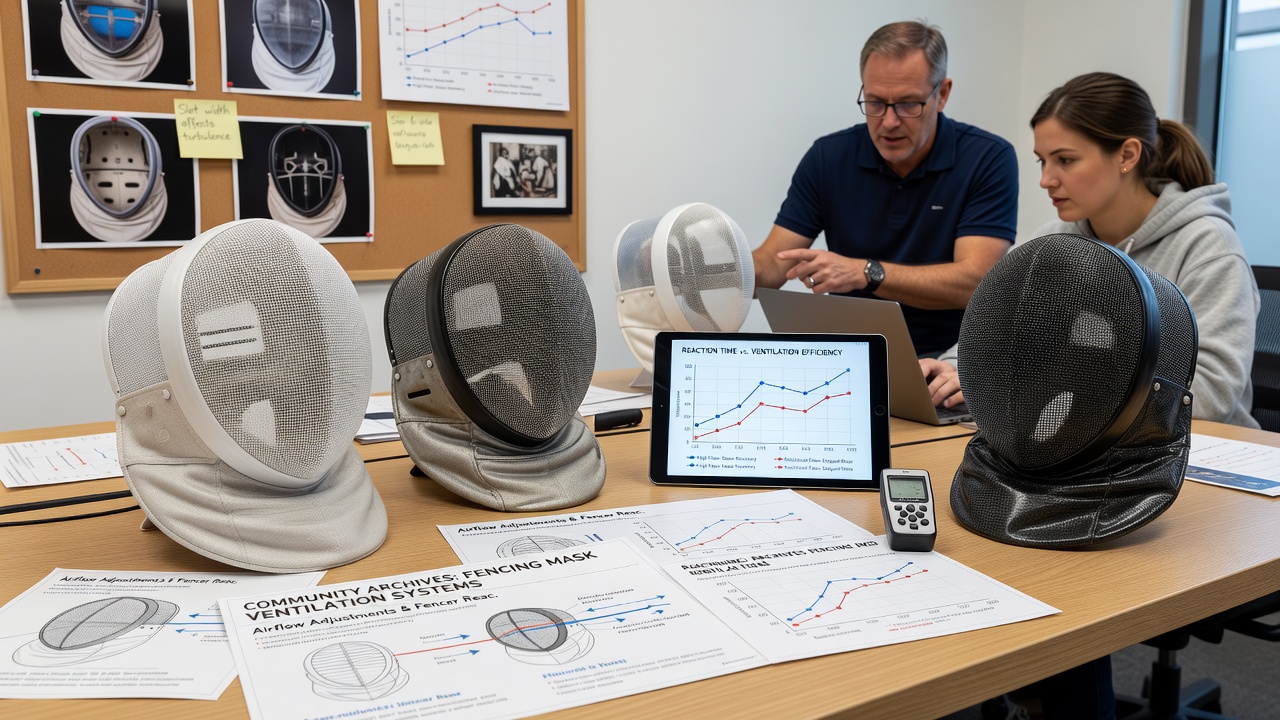
Community contributors record airflow parameters through standardized templates that include vent count, mesh porosity ratings, and internal volume measurements taken with portable sensors. These entries pair directly with reaction time logs captured via electronic scoring systems at regional events. Observers note that contributors often include ambient temperature readings and bout duration as contextual variables, which helps later analysts isolate ventilation effects from environmental factors. The resulting databases grow through voluntary uploads, and cross-referencing tools developed by circuit volunteers allow users to filter results by mask model and adjustment type.
Airflow Configurations and Observed Reaction Patterns
Adjustments that increase front-facing vent area correlate with shorter average reaction intervals in right-of-way situations, according to aggregated circuit logs. Masks fitted with additional lateral vents demonstrate steadier response maintenance across longer bouts, while sealed configurations show gradual increases in latency after the first minute of engagement. Figures from multiple regional meets reveal that athletes using adjustable mesh inserts reduced their median reaction time by 12 milliseconds on average when compared against baseline mask readings from the same competitors. These differences appear most pronounced in the 8-to-12-second window following the initial attack sequence.
Regional Circuit Examples from 2025-2026 Seasons
Archives covering circuits in the Midwest and Pacific Northwest document parallel trends where modified ventilation setups coincided with improved parry-to-riposte intervals. One set of entries from spring 2025 meets lists 47 saber fencers who tested two vent configurations across three events each, and the compiled timings indicate consistent advantages for higher airflow designs in the second and third periods. Similar records from European regional qualifiers, compiled ahead of September 2026 scheduling, show comparable distributions when normalized for age and experience level. Analysts cross-check these observations against heart rate telemetry uploaded alongside the timing data to confirm that ventilation changes rather than fitness variations drive the recorded differences.
Equipment Variables Tracked in Shared Records
Contributors categorize mask modifications by vent geometry, including circular perforations versus slotted designs, and they note teh material composition of internal baffles that direct incoming air. Temperature differential readings between mask interior and exterior appear in roughly 60 percent of entries, providing supplementary context for how airflow volume affects perceived exertion. Community tools allow users to overlay these variables against reaction time graphs, which reveals that masks maintaining internal temperatures within 2 degrees Celsius of ambient conditions associate with the most stable response curves throughout extended pool rounds.
Integration with Training Adjustments
Coaches reference archive summaries when recommending mask configurations for upcoming regional events, and several circuits now include ventilation parameter fields in pre-competition equipment checklists. Data shared ahead of September 2026 qualifiers shows increased adoption of modular vent inserts among mid-level competitors who previously used stock masks. These patterns emerge from longitudinal entries that track the same athletes across multiple seasons, demonstrating how cumulative adjustments refine individual response profiles without requiring proprietary testing facilities.
Conclusion
Community archives continue to expand the available evidence base on fencing mask ventilation and its relationship to saber reaction performance at regional levels. The records demonstrate repeatable associations between specific airflow modifications and timing outcomes, supported by voluntary contributions that span multiple geographic circuits. As data collection protocols standardize further, these shared resources provide increasingly granular insights into equipment variables that influence competitive outcomes.