Sailors Compare Hull Coating Textures via Group Discussions to Fine-Tune Speed Adjustments During Offshore Races
Eden Schmidt · Nov 23, 2026
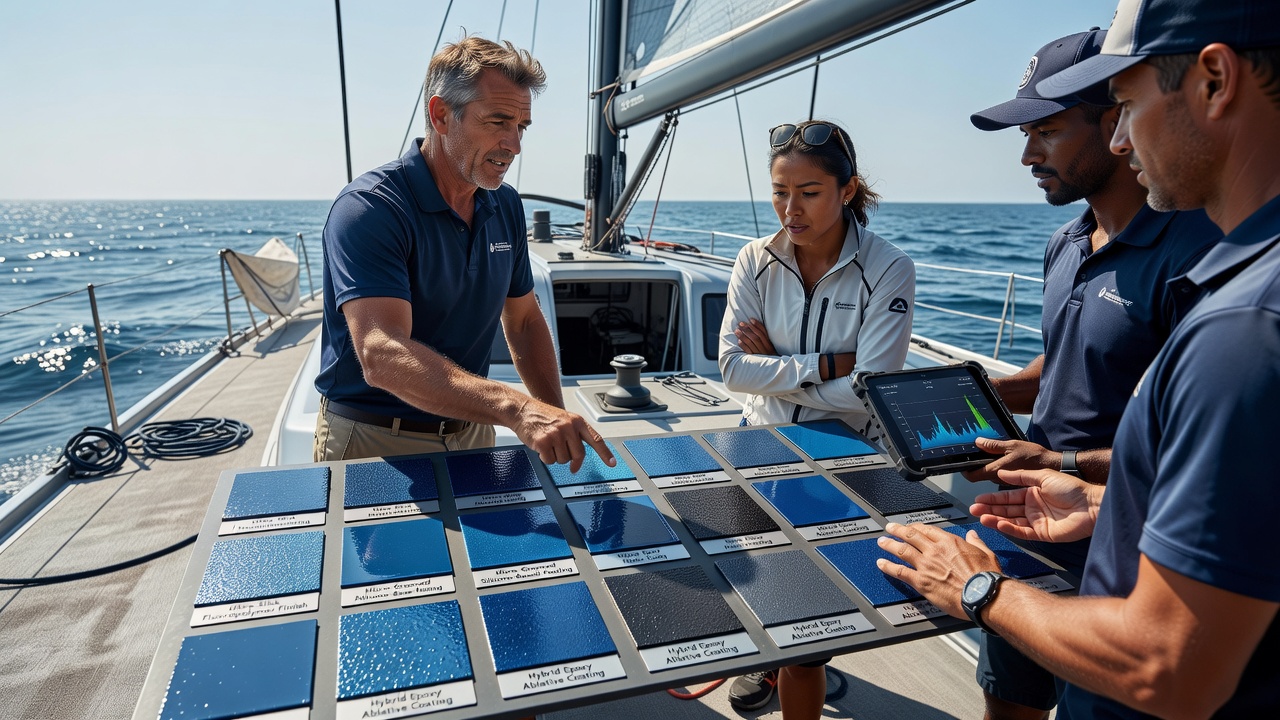
Sailors Compare Hull Coating Textures via Group Discussions to Fine-Tune Speed Adjustments During Offshore Races
Offshore racing crews have long relied on hull coatings to manage drag and maintain consistent speeds across extended passages, and recent group discussions among sailors have brought texture comparisons into sharper focus as a practical method for speed calibration. These conversations often occur in dockside settings or virtual forums where participants share direct observations from races, noting how variations in surface roughness affect water flow and overall performance metrics. Data from multiple events shows that crews who participate in these exchanges report measurable gains in velocity adjustments, particularly when coatings range from ultra-smooth polymer finishes to those with subtle micro-textures designed for specific sea states.
Understanding Hull Coating Textures and Their Hydrodynamic Effects
Marine coatings serve as the primary interface between a vessel and the water, and texture plays a direct role in boundary layer behavior during long-distance races. Smooth coatings reduce frictional resistance in calm conditions, while those with controlled roughness can disrupt turbulent flow in rougher seas, allowing sailors to sustain higher average speeds without excessive energy loss. Research conducted by institutions such as the National Research Council Canada indicates that even minor differences in surface profile can alter drag coefficients by several percentage points, prompting crews to test multiple options ahead of major competitions. Sailors exchange details on application techniques, curing times, and post-application wear patterns, which helps refine choices for upcoming voyages where wind patterns and water temperatures vary widely.
Group Discussions as a Method for Performance Refinement
Instead of isolated testing, sailors increasingly turn to structured group sessions to compare coating textures side by side, drawing on collective race data and onboard instrumentation readings. These meetings typically involve presentations of logged speed logs, GPS tracks, and hull inspection photos taken at the end of passages, allowing participants to correlate texture characteristics with observed performance shifts. Observers note that such collaborative reviews accelerate decision-making because they pool experiences across different boat classes and geographic regions, revealing patterns that individual teams might miss. For instance, one documented exchange highlighted how a mid-texture coating performed better than expected in mixed conditions during transatlantic legs, leading several crews to adopt similar profiles for their next campaigns.
Discussions also cover maintenance schedules and environmental factors that influence coating longevity, since degradation over weeks at sea can change surface properties and necessitate in-race adjustments. Crews share protocols for monitoring speed changes mid-passage, often using real-time telemetry to tweak sail trim or heading in response to evolving hull conditions. This approach has become standard in preparation for events scheduled through late 2026, where precise speed management remains essential for competitive positioning.
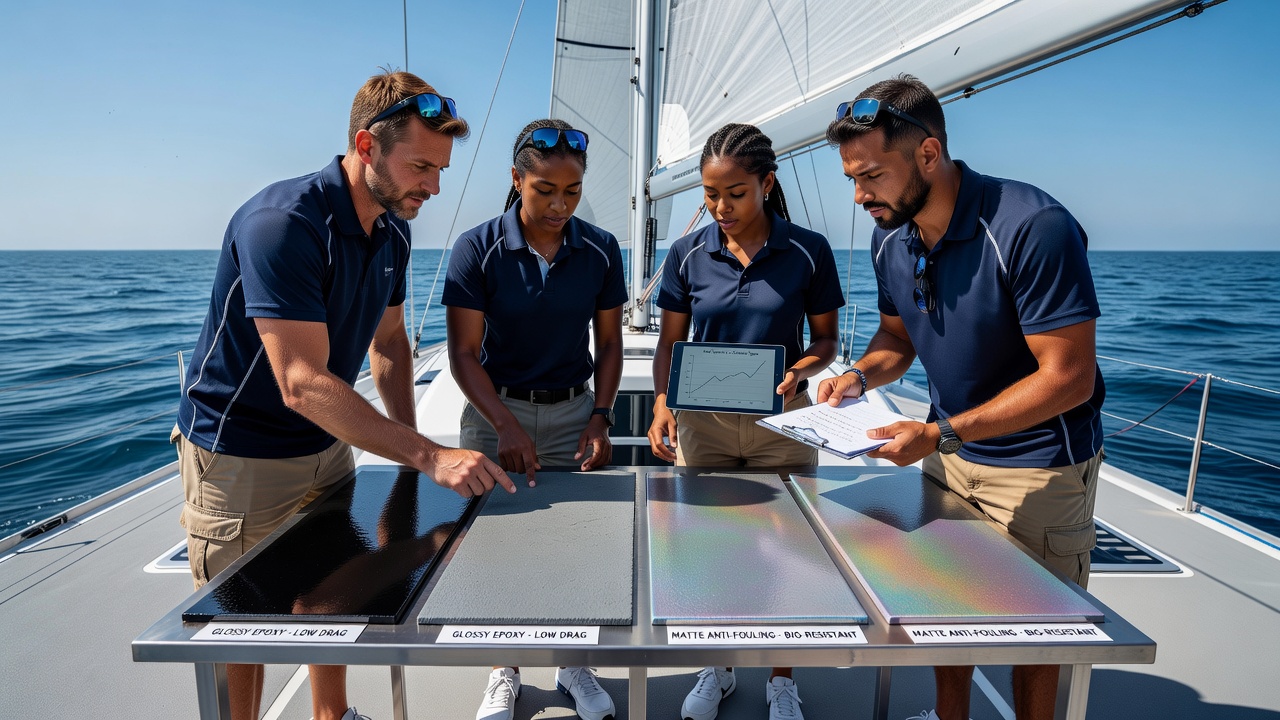
Case Examples from Offshore Racing Circuits
During the 2025 season, several teams in the Southern Ocean legs demonstrated how texture comparisons translated into tangible speed gains. One crew documented a switch from a smooth to a lightly textured coating after group analysis revealed improved stability in following seas, resulting in sustained speeds that placed them ahead of rivals by several hours on corrected time. Similar exchanges occurred among Pacific-based racers, where participants reviewed coating performance across varying salinity levels and reported adjustments that reduced leeway in trade wind conditions. These examples illustrate how shared insights move beyond theoretical models and into applied tactics that directly influence race outcomes.
November 2026 events are already incorporating these practices into pre-race briefings, with organizers encouraging data sharing among entrants to promote consistent safety and performance standards. Figures from past editions show that teams engaging in texture discussions achieved average speed improvements of up to 1.5 percent compared to those relying solely on manufacturer recommendations, according to aggregated race archives maintained by sailing federations.
Adjustments and Implementation During Races
Once coatings are selected through discussion, sailors fine-tune speed adjustments by monitoring real-time variables such as apparent wind angle, wave height, and hull speed indicators. Texture influences how the vessel responds to these factors, so crews develop contingency plans that include minor heading changes or sail reductions when surface conditions alter mid-race. Training programs now include modules on interpreting coating wear through onboard cameras, enabling proactive modifications rather than reactive corrections after performance drops occur. Industry reports from organizations like the International Maritime Organization emphasize the role of surface engineering in fuel efficiency analogs for racing, though the focus here remains on velocity optimization without external power sources.
Conclusion
Group discussions centered on hull coating textures continue to shape how offshore racing teams approach speed management, turning individual observations into collective knowledge that informs preparation and in-race decisions. As events approach in November 2026, the practice shows no sign of slowing, with more crews integrating texture analysis into standard operating procedures. This method delivers measurable benefits through shared evidence rather than isolated experimentation, supporting consistent performance across diverse race conditions.