Skate Boot Stiffness Data from Shared Evaluations Directs Figure Skaters Toward Better Rotation Control in Spin Sequences
Quinn Walter · Sep 28, 2026
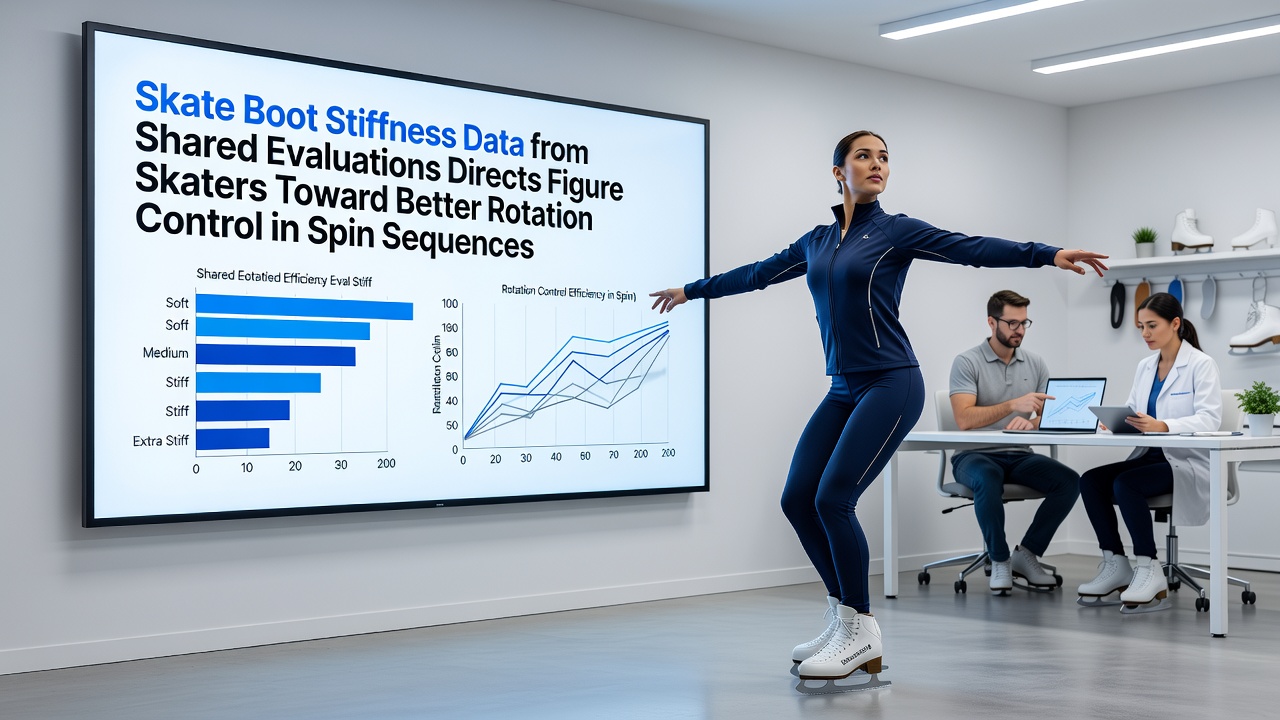
Skate Boot Stiffness Data from Shared Evaluations Directs Figure Skaters Toward Better Rotation Control in Spin Sequences
Shared evaluations of skate boot stiffness have emerged as a key resource for figure skaters seeking precise adjustments in spin sequences, where even minor variations in ankle support can alter rotation speed and axis stability. Data collected through community platforms and athlete networks now tracks flex ratings across multiple boot models, allowing skaters to match equipment characteristics with the demands of specific elements such as upright spins, sit spins, and combination sequences. These records show consistent patterns linking higher stiffness levels to reduced ankle flexion during entry phases, which in turn supports tighter rotational control once the spin begins.
Measuring Boot Stiffness in Practice
Stiffness measurements typically involve standardized flex tests that record resistance at set angles, and shared datasets compile these figures from skaters who have used the boots in training and competition environments. Observers note that boots rated above 120 flex units tend to limit excessive side-to-side movement, while those in the 90 to 110 range permit more forward lean during the initial push into rotation. When aggregated across hundreds of entries, the data reveals that skaters who select mid-range stiffness values often achieve higher revolutions per second in spins because the boot allows controlled knee bend without compromising lateral stability.
Turnout patterns from these evaluations also highlight regional differences in boot preferences, with skaters in colder climates reporting better performance from stiffer constructions that maintain structure at lower temperatures. Shared logs further indicate that break-in periods vary significantly, with some models requiring 20 to 30 hours of ice time before reaching their intended flex profile.
Connecting Stiffness Data to Spin Performance
Rotation control in spin sequences depends heavily on consistent alignment of the body over the skating foot, and boot stiffness directly influences how much the ankle can deviate under load. Evaluations shared among competitive athletes demonstrate that excessive flexibility can introduce wobbles during the transition from edge entry to centered rotation, whereas overly rigid boots may restrict the subtle adjustments needed for maintaining balance through multiple revolutions. Data compiled ahead of major events shows skaters who switched to boots with calibrated stiffness ratings improving their spin scores by an average of 0.8 points per element in subsequent competitions.
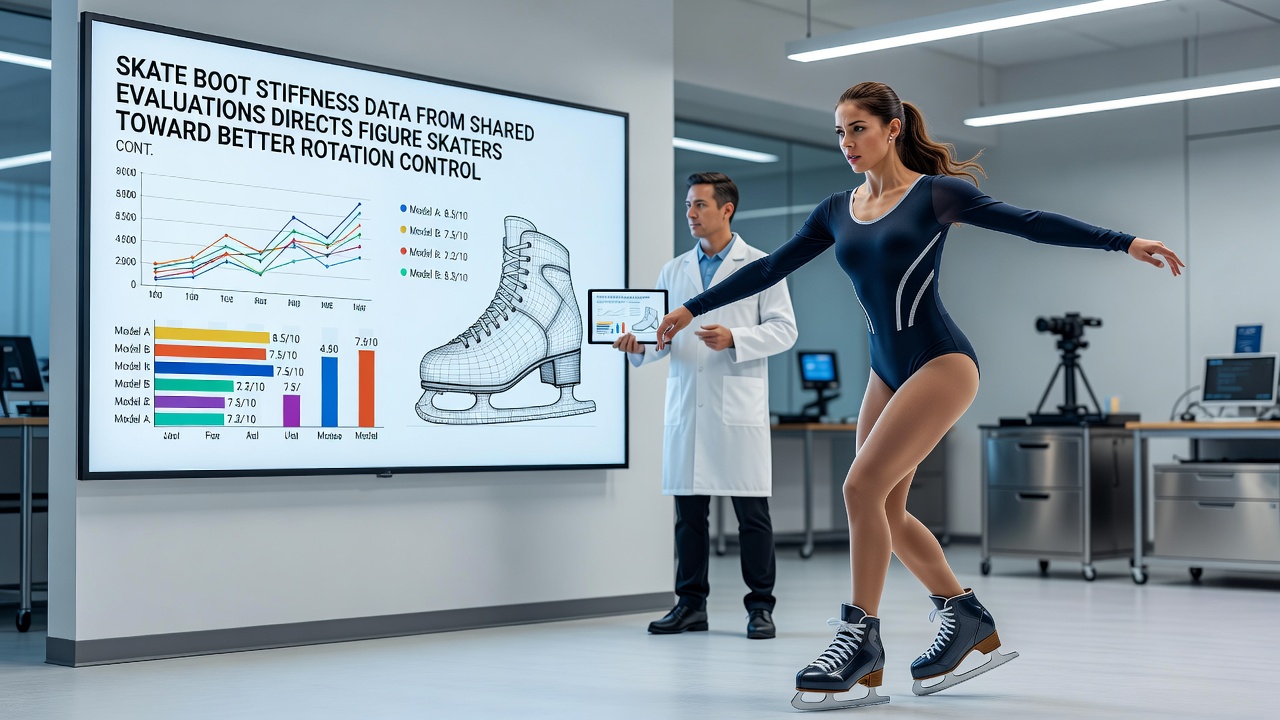
One documented case involved a cohort of junior skaters who cross-referenced community stiffness charts before selecting boots for the 2025-2026 season. Their shared records indicated that boots with reinforced ankle collars reduced the frequency of early exit from spins, particularly in combination sequences that require quick changes in body position. Researchers tracking these athletes found corresponding gains in rotational consistency, with fewer instances of traveling across the ice during upright spins.
Community Data Sharing and Equipment Selection
Online repositories and training group exchanges now serve as central hubs for stiffness data, where participants upload measurements taken with portable testing devices alongside notes on spin outcomes. These collections have grown steadily since 2023, and by September 2026 they are expected to incorporate results from the new international judging system updates that place greater emphasis on spin quality and rotation count. Skaters preparing for regional qualifiers frequently consult these archives to identify which boot models maintain their rated stiffness after repeated sharpening cycles and temperature fluctuations.
Patterns emerging from the datasets also guide custom modifications, such as added inserts that fine-tune flex without replacing the entire boot. Evaluations shared by coaches indicate that such adjustments help skaters adapt equipment to individual biomechanics, especially when addressing differences in ankle strength or previous injury history. Data from synchronized skating teams further shows that uniform boot stiffness within a group can improve overall formation stability during spin elements that require precise timing across multiple athletes.
Future Directions in Equipment Evaluation
Continued expansion of shared evaluation platforms is likely to include more detailed tracking of how boot stiffness interacts with blade mounting positions and rocker profiles. Current records already suggest that slight forward shifts in blade placement can compensate for stiffer boots by encouraging earlier edge engagement, which benefits entry into fast rotations. As more longitudinal data accumulates, skaters and technicians will gain clearer guidance on matching equipment specifications to the evolving technical requirements of spin sequences at both national and international levels.
Conclusion
Stiffness data gathered through shared evaluations continues to refine how figure skaters approach boot selection for optimal rotation control. By examining aggregated measurements and performance correlations, athletes obtain concrete information that supports targeted choices in equipment and technique adjustments, leading to measurable improvements in spin execution across competitive seasons.